
Island of the Winds | White Cube Café & Studio
After the screening
On 14 October we screened Island of the Winds at White Cube Café & Studio in Changhua, followed by a discussion on national spatial planning and individual housing rights.
National spatial planning often takes economic development, public infrastructure and the interests of society as a whole as its starting point. But when a policy is put into practice in people's lives, its impact may go beyond how land is used: it also bears on a family's housing security and living environment, and on the long-standing emotional ties people have formed with their land.
Through the film and the post-screening conversation, we asked ourselves again: when national development and individual rights come into conflict, who has the right to decide the future of the land? Who can genuinely take part in decision-making? And does the so-called public interest sufficiently take into account the voices and circumstances of the residents affected?
Real democracy should be practised in every public policy that shapes people's lives. Residents should not be mere passive recipients of planning; they should have the right to be fully informed, to take part in the discussion, and to make their views heard.
We thank White Cube Café & Studio for providing a space for this exchange, which enabled us, through the film, to see anew the relationship between land, power and people. The development of cities and nations matters, but its ultimate purpose is to make people's lives better, not to sacrifice some people's rights and interests in the name of progress.
19:00–19:10 Welcome from the organisers
19:10–21:10 Screening: Island of the Winds
21:10–22:00 Post-screening talk
Films screened
Island of the Winds
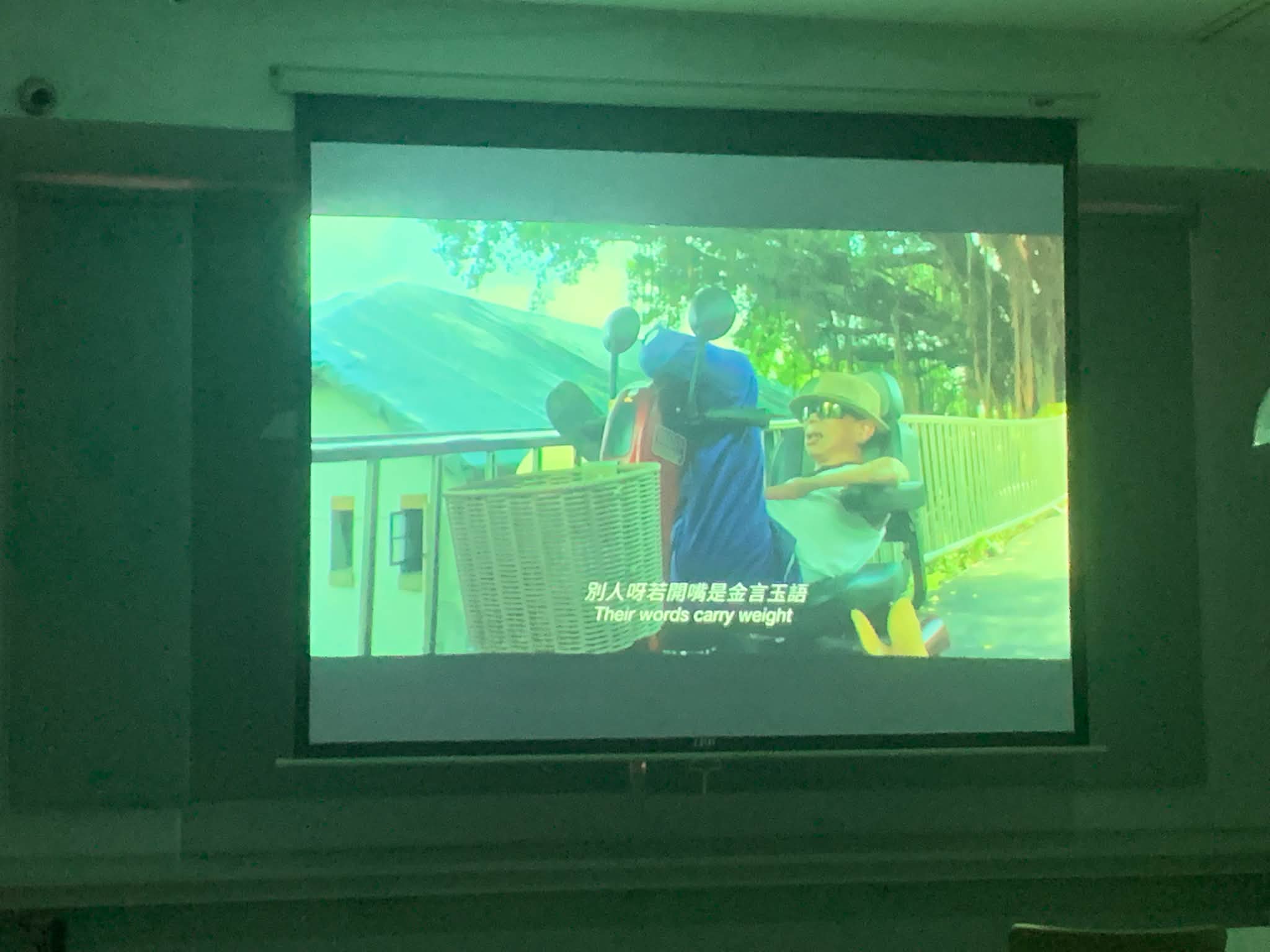
Island of the Winds, directed by Hsu Ya-ting, is set on a hillside as isolated as an island, and records a group of people long cut off from the world because of leprosy. A century of isolation left the place sleeping outside of history, until a sudden plan to relocate them for an airport broke the long silence and forced the residents to face their own lives, their home and a forgotten history.
With their home about to vanish, and with power trying to erase every trace that the land and its people had existed, they woke out of silence. Across twenty years of resistance and care, people who had been shut away by society began to record their own lives in their own way, to defend their home, and to claim the right to be seen and remembered.
Wind runs through the film as its central image. On this island the wind never stops; it cannot be held, but it can be seen in the swaying of branches. So too with these lives: forgotten by history and forced into silence, they have still left their mark simply by existing.