
March of Happiness | Formosa Umc
After the screening
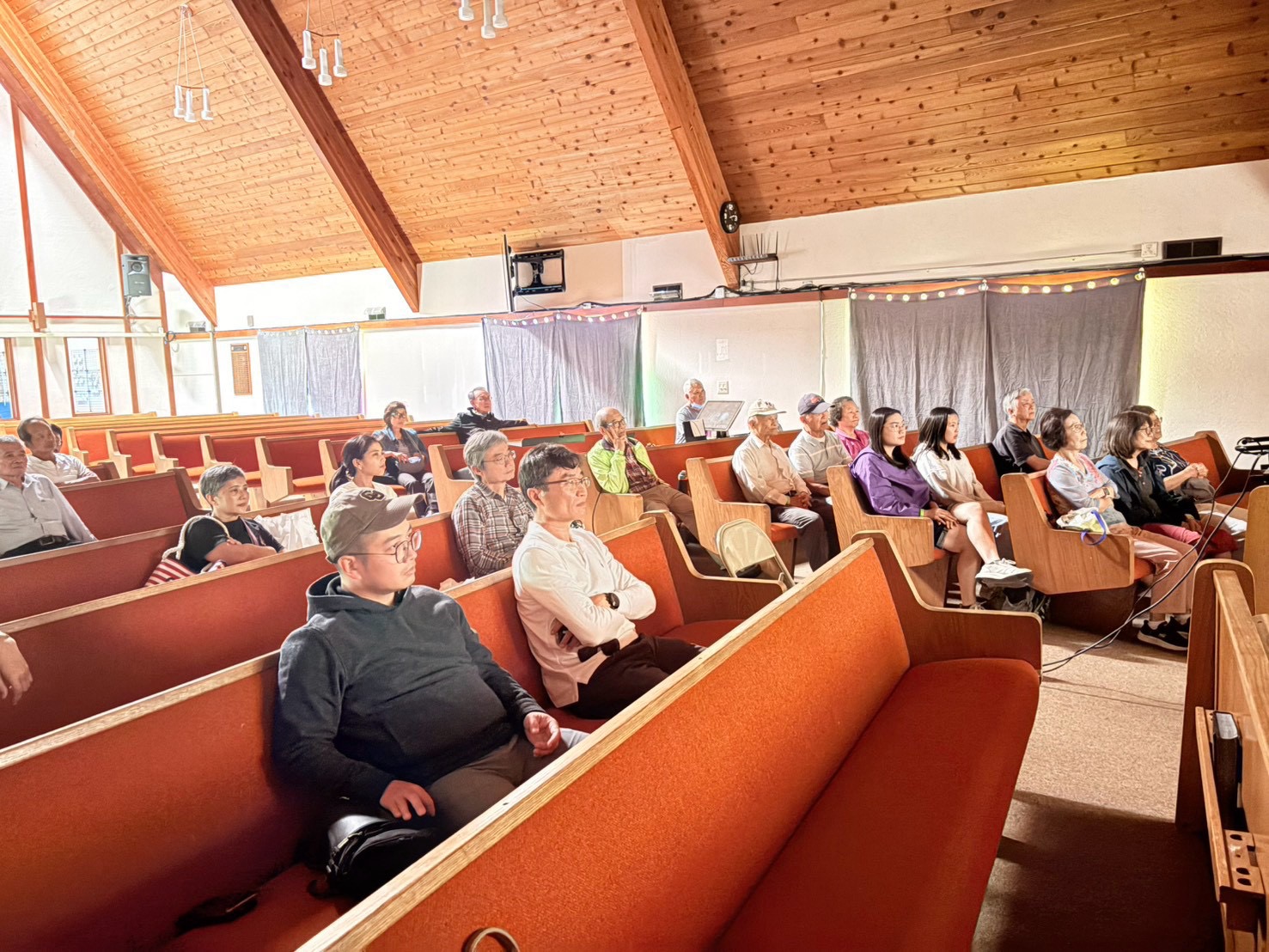
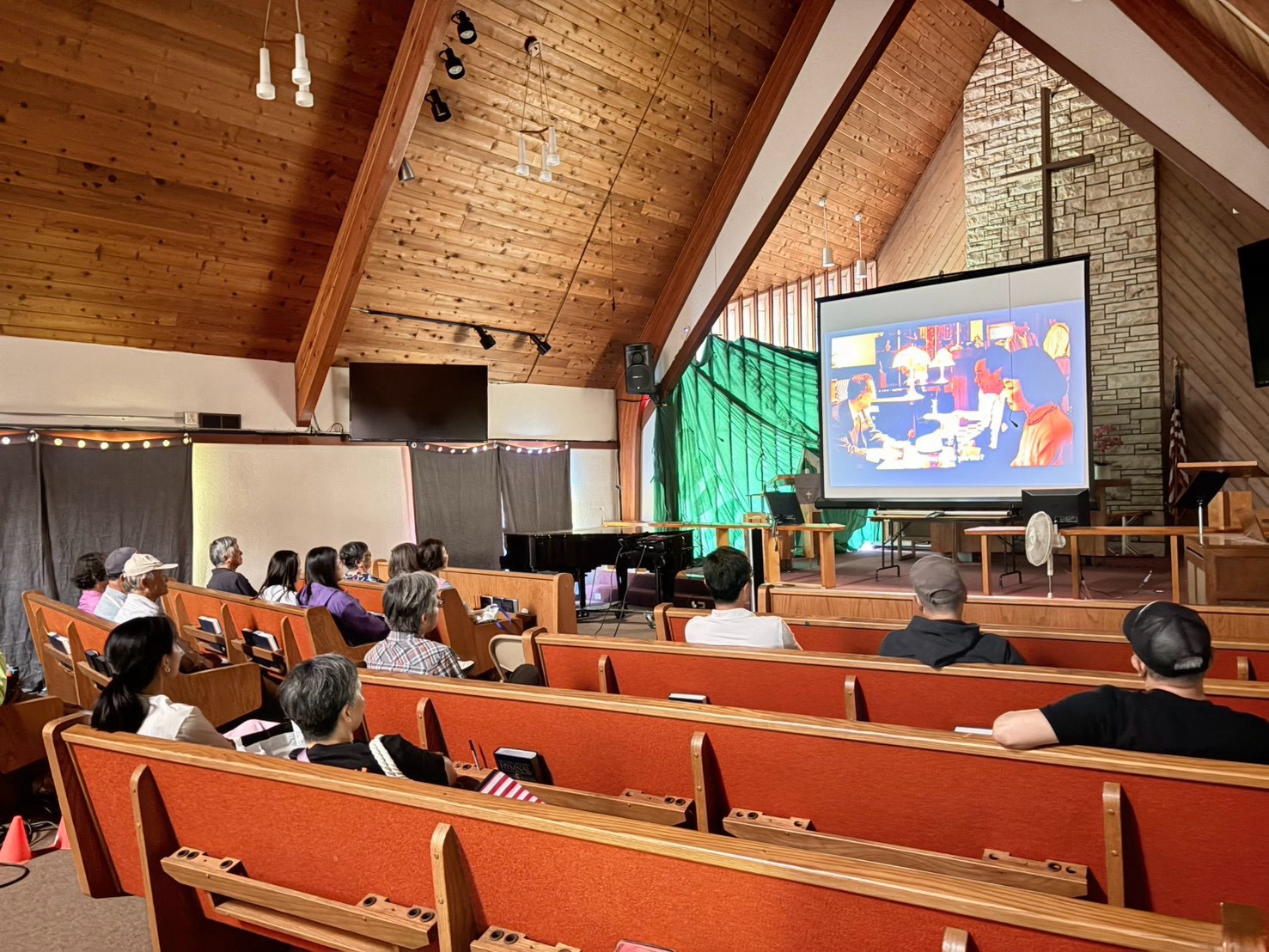
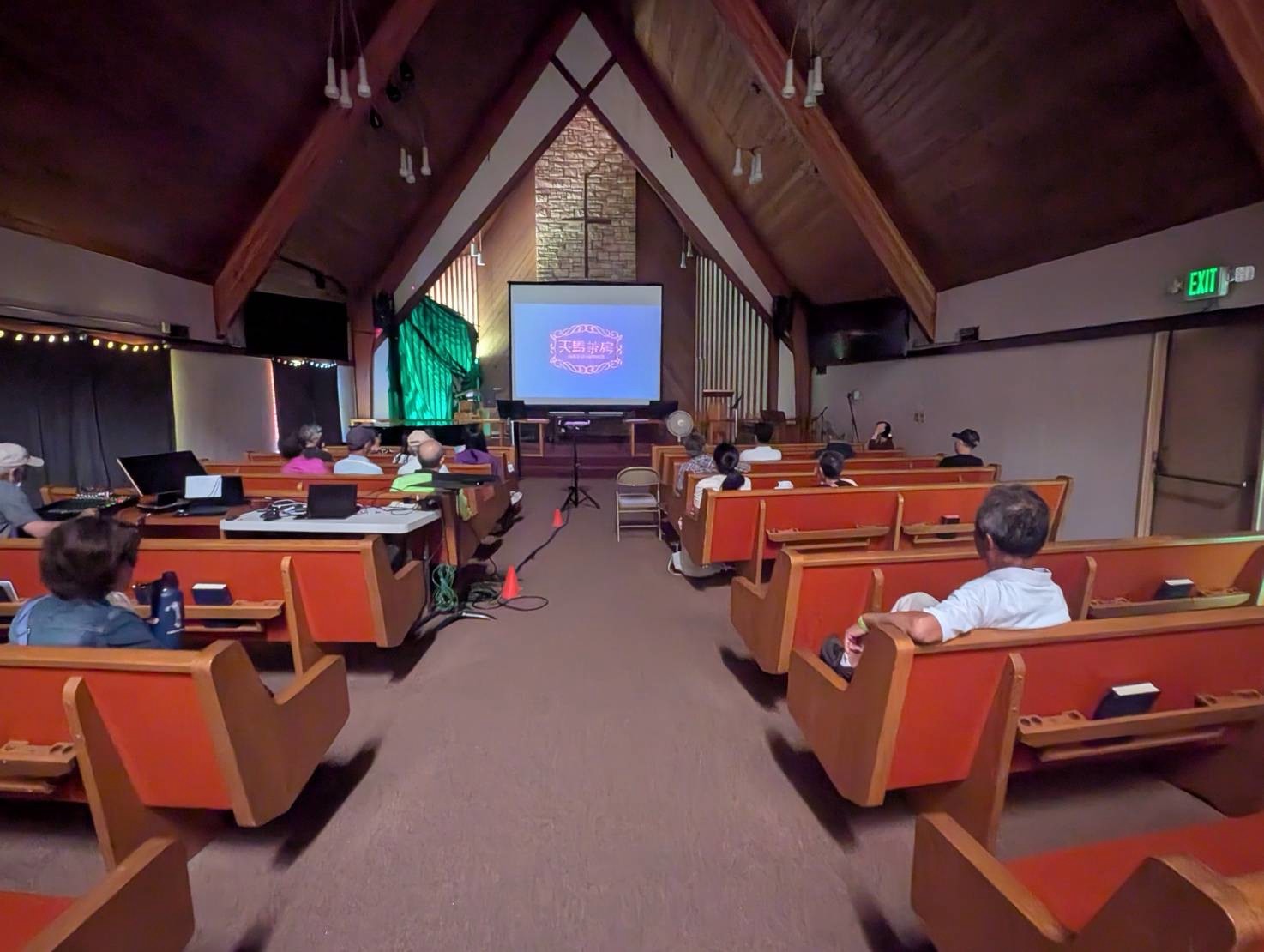
On the afternoon of 8 August, the 2026 Taiwan International Democratic Film Festival screened the classic feature film March of Happiness at Formosa UMC, taking the audience back together to Taiwan on the eve of the 228 Incident, to get to know anew that era of regime change and social turmoil, and to reflect on the close link between personal fate and the times.
Directed by Lin Cheng-sheng, March of Happiness is set in Taiwan between the end of Japanese rule and the eve of the 228 Incident, and its story unfolds around the Bolero Café in Taipei's Dadaocheng. The romance between A-chin, a young man returned from Japan, and Nuan-yu, an actress with a theatre troupe, is interwoven with the lives of the artists, intellectuals and ordinary people at the café, portraying the hopes and unease about the future with which post-war Taiwanese society faced a change of regime.
As the story unfolds, love, ideals and lives that once belonged to individuals are gradually caught up in the course of events. When the tide of history arrives, ordinary people's choices and fates are no longer only personal stories; they become a shared memory left behind by an era. Although the day happened to be Father's Day in Taiwan, many people still came to watch the film, and after the screening some stayed on to share their thoughts on it, making for a lively and warm atmosphere.
We thank SEBTA for co-organising the event, and everyone in the audience who came to the screening that day. The Taiwan International Democratic Film Festival will continue to use film to lead audiences back through the history and culture of different periods in Taiwan, to see, between stories and memories, how a society has come through the changes of its times, and to understand all the more how hard-won freedom and democracy are.
14:00–14:10 Opening remarks by the host
14:10–16:00 Screening: March of Happiness
Films screened
March of Happiness
Directed by Lin Cheng-sheng, March of Happiness is set in Taiwan between the end of Japanese rule and the eve of the 228 Incident, and unfolds around the Bolero Café, a well-known cultural gathering place in Taipei's Dadaocheng. Through the love story of A-chin, a young man returned from study in Japan, and Nuan-yu, an actress with a theatre troupe, and through the artists, intellectuals and ordinary people who gather at the café, it draws the hope and unease of a population living through a change of regime.
The film binds personal fate tightly to a decisive turn in Taiwanese history, setting love, culture and ideals against the current of the times as the 228 Incident breaks. It is both an important work of Taiwanese New Cinema and a classic that looks back on modern Taiwanese history through the lives of its characters. It was selected for Un Certain Regard at Cannes in 1999 and won Best Original Film Song at the Golden Horse Awards, among other honours.